
What are peptides?
Peptides are short chains of amino acids — the body's own signaling molecules. The word gets used loosely in research circles, in wellness clinics, and increasingly on supplement shelves. Strip the noise and the definition is simple.
What is a peptide?
A peptide is a short chain of amino acids — the same building blocks the body uses to make proteins. Most peptides run between 2 and 50 amino acids. Anything longer is typically classified as a protein.
Smaller size is part of what makes peptides interesting to researchers. They're more bioavailable than proteins, more selective in how they interact with the body's systems, and easier to synthesize with precision in a lab.
How the body uses peptides
Peptides occur naturally throughout the body. They act as signaling molecules — telling cells what to do. Some regulate hormones. Some direct immune activity. Others govern tissue repair, sleep, appetite, or muscle growth.
Because peptides exist in the body already, the body has receptors designed to respond to them. You're not introducing something foreign. You're working with the body's own communication system.
Why researchers study peptides
Selectivity. Peptides can be designed to bind specific receptors — making targeted research possible without broad systemic impacts.
Tolerability. Early research suggests peptides tend to be well-tolerated in controlled study settings, though every compound and dose needs its own work.
Structural simplicity. Compared to larger protein molecules, peptides are relatively straightforward to study in a lab setting.
Diversity. Thousands of peptides exist in the human body, each with different potential functions. A wide landscape to explore.
Common peptides under research
Without making claims about outcomes — a sample of what researchers are currently studying:
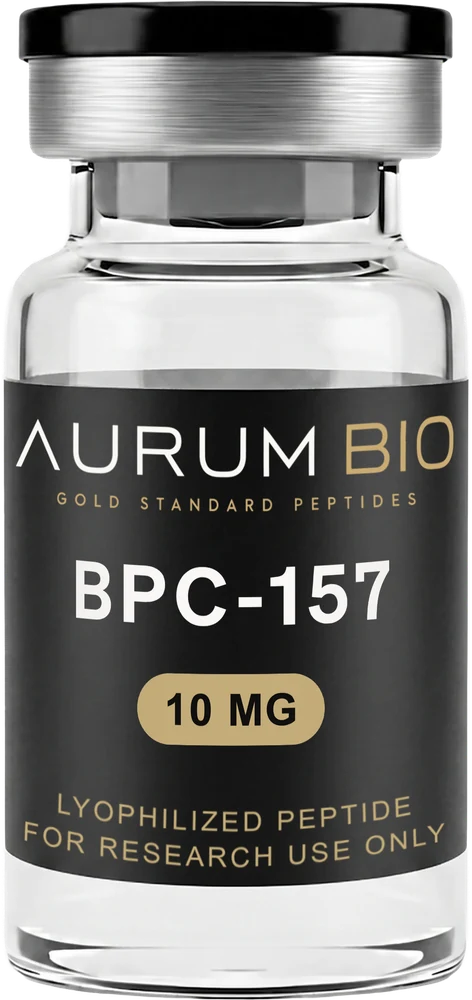
- BPC-157 — a 15-amino-acid peptide first identified in human gastric juice. Studied for its role in tissue repair and gut health.
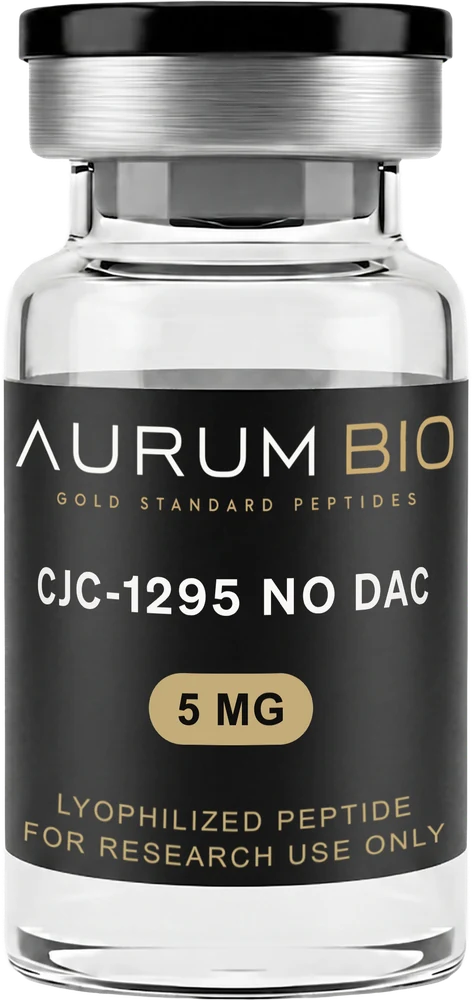
- CJC-1295 — a synthetic peptide that mimics growth hormone-releasing hormone (GHRH). Studied for its effect on growth hormone levels.
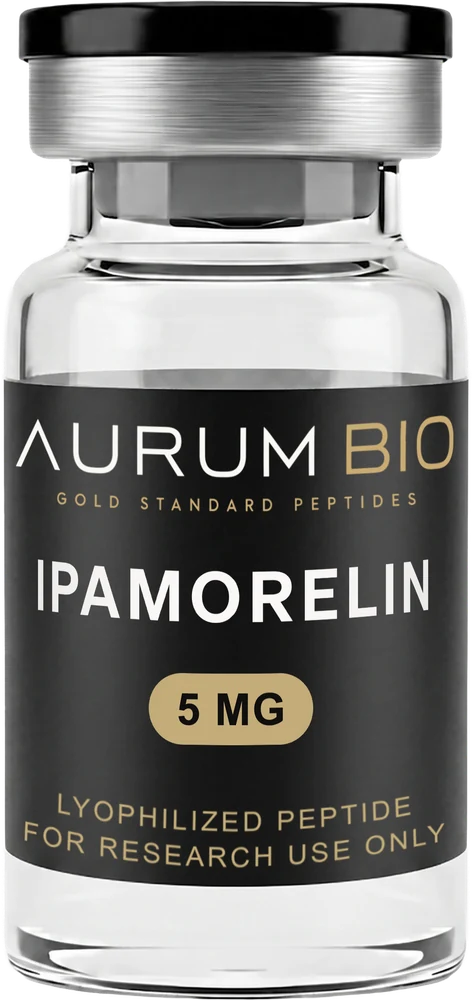
- Ipamorelin — a ghrelin mimetic with selective action on the growth hormone secretagogue receptor. Often studied alongside other peptides.
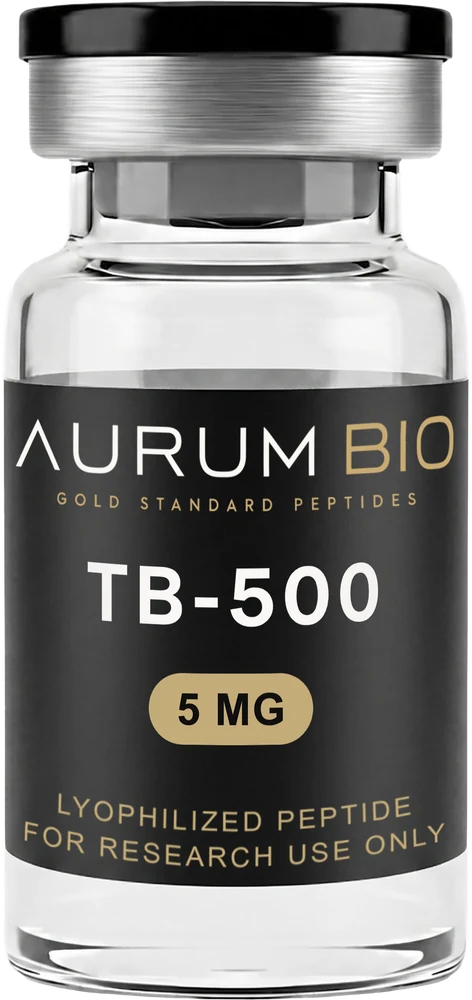
- TB-500 (Thymosin Beta-4) — a 43-amino-acid peptide present in almost all human cells. Studied in wound healing and anti-inflammatory research.
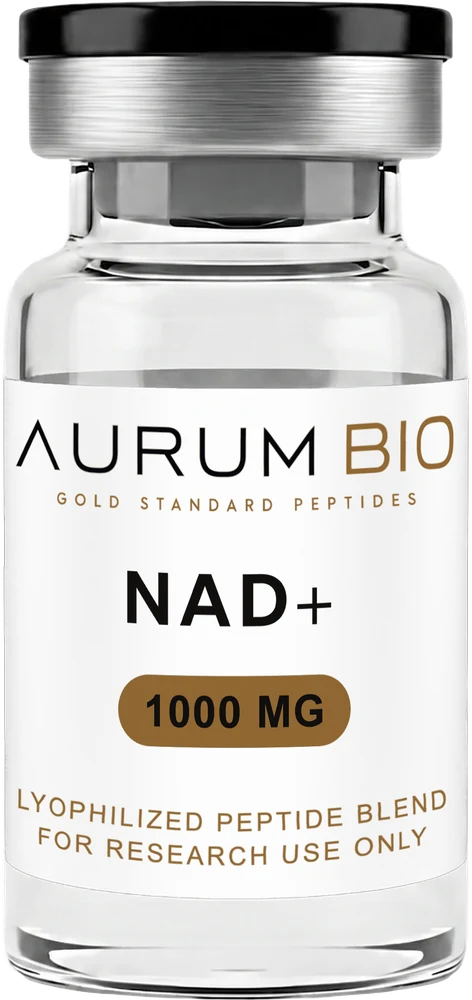
- NAD+ boosters (NMN) — not traditional peptides, but often discussed alongside them in longevity research due to their role in cellular energy metabolism.
Peptides vs. drugs
Pharmaceutical drugs are typically synthetic molecules designed in a lab, often patented, engineered for a specific effect, and taken through years of clinical trials before reaching the market.
Peptides exist in nature. Many are produced by the body already. Some peptides are FDA-approved for specific medical uses. Many others occupy a regulatory gray zone — legal to sell for research, but not approved for human consumption.
The research-only framing matters. "Studied in research" and "approved for use" are not the same category, and responsible actors in this space are clear about that distinction.
What researchers are looking at
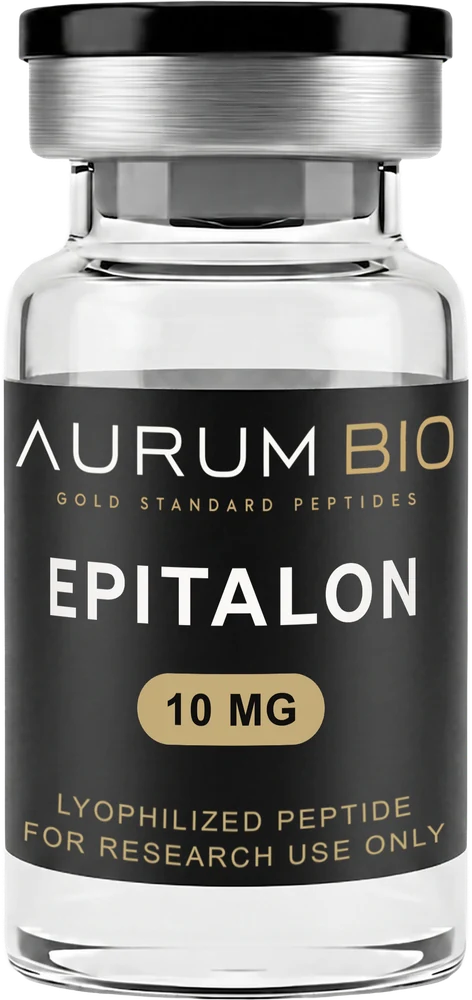
Current peptide research areas include tissue repair and wound healing (BPC-157, TB-500), growth hormone optimization (CJC-1295, Ipamorelin), metabolic health (GLP-1 analogues), longevity (NAD+ precursors, Epithalon, senolytic compounds), and cognitive function.
None of these are proven. They're active areas of study. The point of research is to find out — with rigor, with controls, and without cutting corners.
The bottom line
Peptides are short chains of amino acids — the body's own signaling molecules. They regulate growth, repair, and metabolism. Researchers study them because they offer selectivity and natural compatibility with the body's systems that most other compounds don't.
If you're evaluating peptides for research, the questions are the same as for any research chemical:
- Purity — is it what it says it is? Third-party COA required.
- Source — who manufactured it, and under what conditions?
- Regulatory status — is it legal to purchase for your intended use?
- Framing — is it being marketed as a supplement, a research chemical, or something else?
References
- 01Goles M, et al. Peptide-based drug discovery through artificial intelligence: towards an autonomous design of therapeutic peptides. Brief Bioinform, 2024.
- 02Wang L, et al. Therapeutic peptides: current applications and future directions. Signal Transduct Target Ther, 2022.
- 03Ji X, et al. Cyclic Peptides for Drug Development. Angew Chem Int Ed Engl, 2024.
- 04Szymczak P, et al. AI-Driven Antimicrobial Peptide Discovery: Mining and Generation. Acc Chem Res, 2025.
Every citation links out to the paper on PubMed. Identifiers are omitted deliberately rather than reproduced from memory, so where we do not hold a verified PMID or DOI the link is a PubMed search for that exact title — it resolves to the paper without anything being invented.
FOR RESEARCH USE ONLY · NOT INTENDED FOR HUMAN CONSUMPTION. This article describes compounds and the research literature in which they appear. Nothing here is a recommendation, protocol, or statement of effect.