Senolytics vs. peptides: two approaches to aging research
Two approaches have generated the most excitement in longevity research: senolytics — drugs that clear aged cells — and peptides, signaling molecules that modulate cellular function and repair. What they are and where the research stands.
What are senescent cells?
Cellular senescence is a state where cells stop dividing and secrete a mix of inflammatory signals called the SASP (senescence-associated secretory phenotype). It was initially discovered as a response to DNA damage: cells with too much damage stop dividing to prevent it propagating — a beneficial anti-cancer mechanism.
The problem is that with age, senescent cells accumulate faster than they're cleared. They linger, secreting inflammatory cytokines that damage surrounding tissue. The SASP has been called "chronic inflammation in a dish," and is proposed to drive age-related tissue dysfunction. The hallmarks of aging framework includes cellular senescence as one of nine core hallmarks (the 2023 update expanded the framework to twelve).
What are senolytics?
Senolytics are drugs that selectively induce death in senescent cells while leaving healthy cells relatively intact. The goal: periodically clear accumulated senescent cells, reduce SASP burden, improve tissue function, and potentially slow aspects of aging.
Key senolytic compounds:
- Dasatinib + quercetin (D+Q) — the most studied combination. Dasatinib is a tyrosine kinase inhibitor used in leukemia; quercetin is a plant flavonoid with mild senolytic properties.
- Navitoclax (ABT-263) — a BCL-2 family inhibitor (a cancer drug) with senolytic activity via BCL-xL inhibition.
- Fisetin — a flavonoid found in strawberries; among the strongest natural senolytics in cell studies. The Mayo Clinic has conducted human trials.
- UBX0101 and UBX1325 (Unity Biotechnology) — senolytic drug candidates taken into human trials (UBX0101 in osteoarthritis; UBX1325 in eye disease).
What the senolytic research shows
Animal studies are genuinely striking. Clearing senescent cells in old mice improved physical function (grip strength, endurance, walking speed), reduced inflammation, delayed age-related diseases, extended healthspan, improved injury response, and reduced osteoporosis.
The Mayo Clinic geroscience effort — with James Kirkland and Laura Niedernhofer as central figures, under the "Translating Geroscience" program — has been pivotal in this field. The landmark genetic proof-of-concept came from Baker et al. (2016, Nature), from Jan van Deursen's lab at Mayo, which showed that clearing p16-positive senescent cells extends median lifespan and healthspan in mice. The pharmacological D+Q senolytic discovery is a separate lineage: Zhu et al. (2015), from Kirkland and Tchkonia at Mayo.
Human studies are very early stage. Mayo Clinic fisetin trials showed reduced senescence markers in adipose tissue; D+Q reduced senescent cell burden in a small trial of diabetic kidney disease patients; and pilot trials are ongoing in COPD, idiopathic pulmonary fibrosis, and osteoarthritis. Promising but preliminary. The key open question: is the senolytic effect in mice predictive of human aging reversal, or is there a species difference?
Peptides as an anti-aging approach
Peptides take a different approach. Rather than clearing damaged cells, they are signaling molecules that aim to support cellular repair, modulate inflammation, improve cellular energy, and enhance tissue function.
Peptides studied for longevity include:
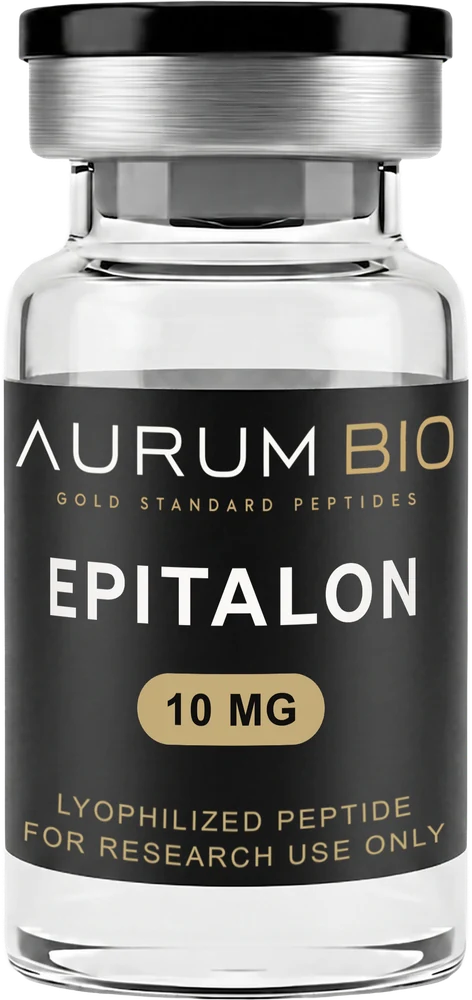
- Epithalon — proposed telomerase activation (controversial).
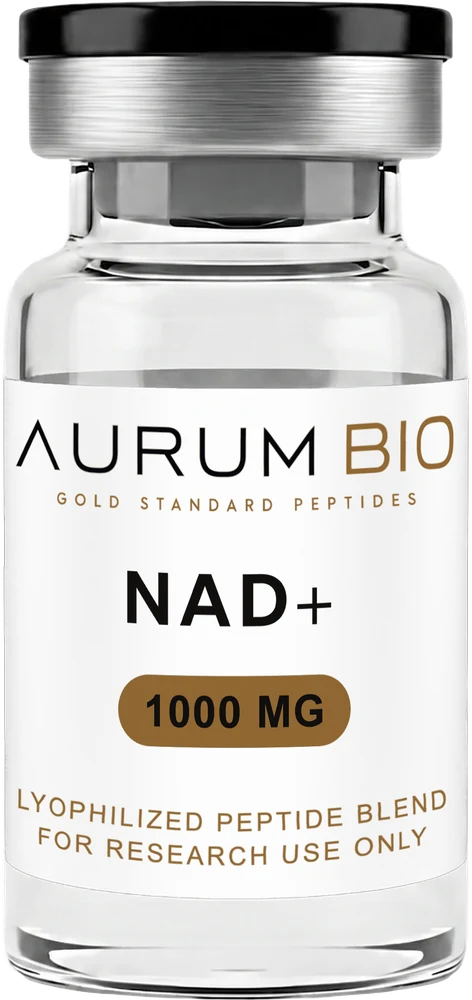
- NAD+ precursors (NMN, NR) — restore NAD+; more established.
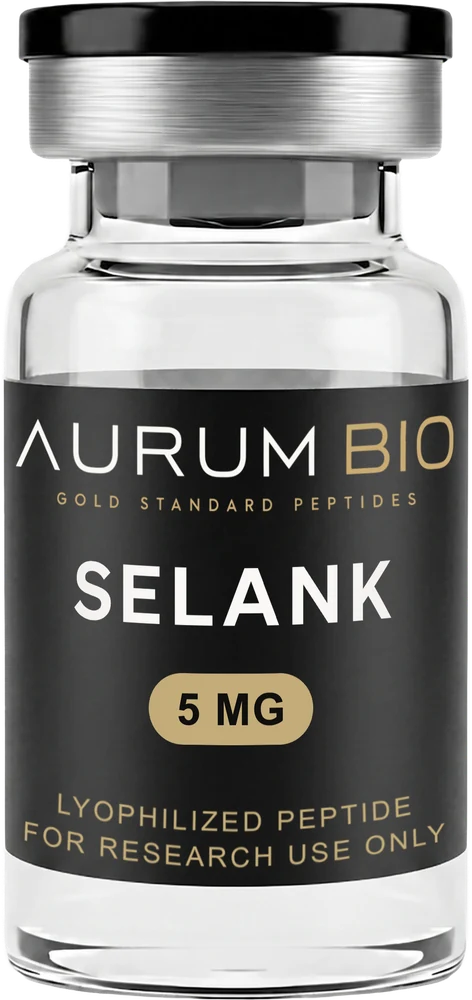
- Selank — a Russian peptide (anxiolytic/nootropic); very limited longevity data.
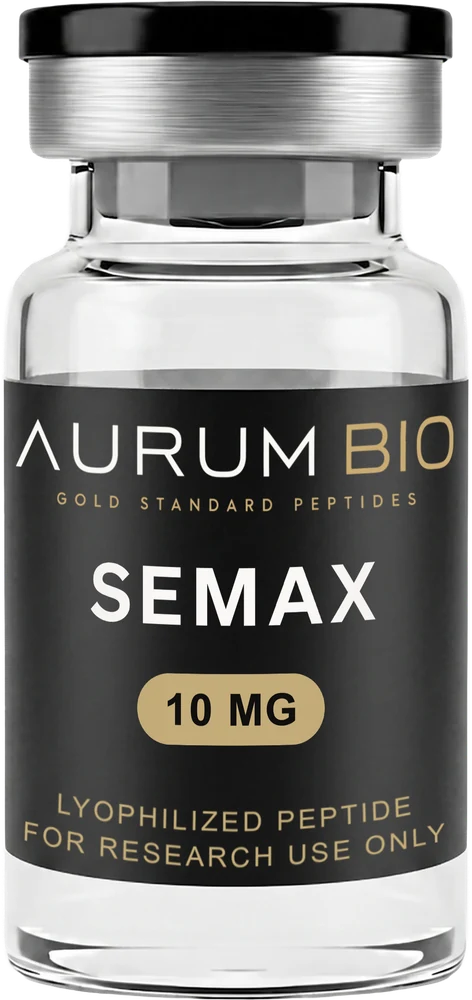
- Semax — a Russian peptide (cognitive); minimal longevity data.
- Thymosin Alpha-1 — immune-modulating.
The idea is to support the body's own repair systems rather than eliminating damaged cells.
Senolytics vs. peptides: a direct comparison
| Senolytics | Peptides | |
|---|---|---|
| Approach | Eliminate damaged cells | Support cellular function |
| Primary targets | Senescent cells (SASP-producing) | Specific pathways: telomeres, NAD+, growth hormone |
| Mechanistic hypothesis | Reduce SASP burden, remove damaged cells | Enhance repair, reduce inflammation, optimize signaling |
| Animal evidence | Strong (healthspan and lifespan) | Moderate (variable by peptide) |
| Human evidence | Very early stage | Moderate for some (NAD+), very early for most |
| Safety concerns | Off-target cell death; theoretical cancer concern | Peptide-specific; limited long-term data |
| Research maturity | Early human trials | Earlier human trials for longevity |
The senolytic approach: advantages and concerns
Advantages. Direct removal of a known problem; strong animal data; potentially persistent benefit from periodic dosing; healthspan improvements.
Concerns. Off-target effects (some healthy cells die at higher doses); theoretical cancer risk; unknown optimal dosing; and a wound-healing concern, since senescent cells play a role in acute wound healing.
The peptide approach: advantages and concerns
Advantages. Physiological compatibility; the ability to target multiple pathways; well-characterized pharmacology for many; and accessibility.
Concerns. A less direct anti-aging mechanism; variable evidence quality (NAD+ reasonable, Epithalon thin); limited long-term human data; and a mechanism-specific approach to a problem that is multifactorial.
Combining approaches
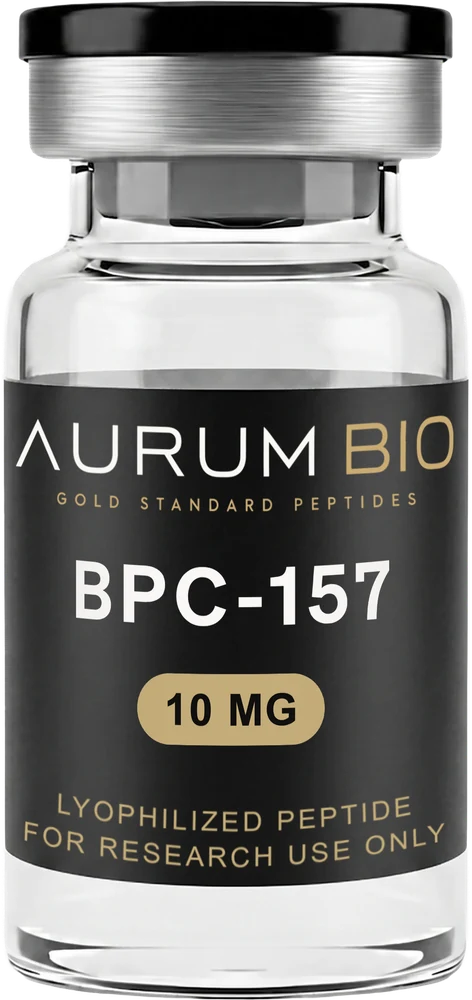
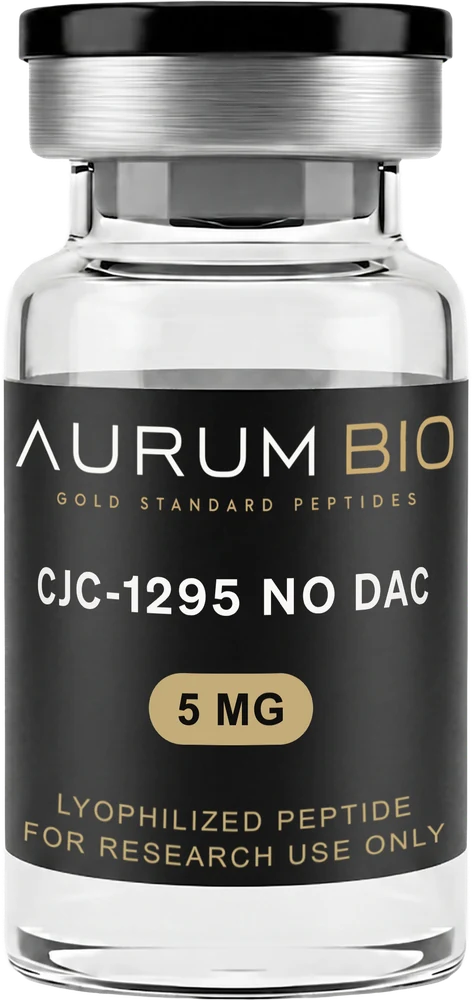
An emerging hypothesis is that combining senolytics with other interventions may be additive. Example protocols under investigation include senolytic clearance followed by NAD+ restoration; peptide support (CJC-1295, BPC-157) after senolytic clearing; and low-dose senolytics paired with exercise and metabolic optimization. This is speculative but mechanistically reasonable — no clinical trials have validated combination protocols.
What is actually available today
For senolytics: dasatinib (an FDA-approved leukemia drug; off-label senolytic; prescription); quercetin (supplement; mild); fisetin (supplement; among the strongest natural senolytics; in Mayo trials); and D+Q (via some compounding pharmacies; in clinical trials). The most responsible route is clinical trials.
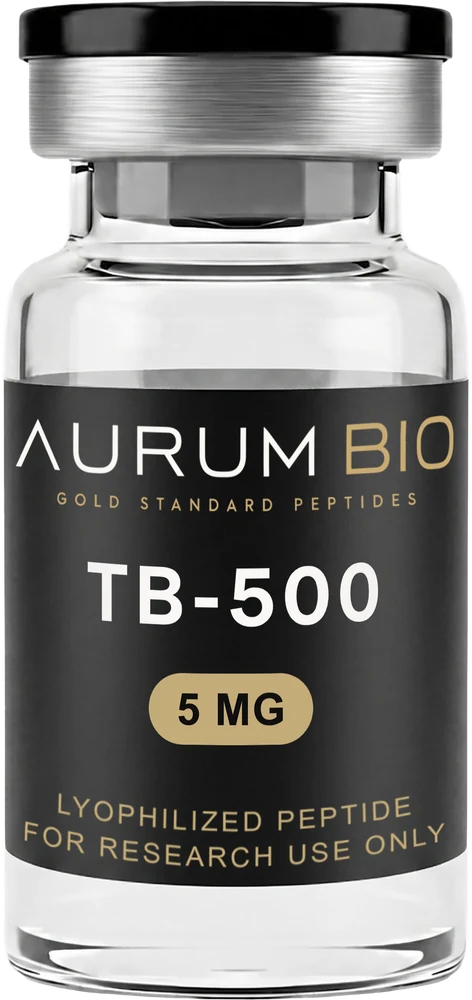
For peptides: NAD+ precursors (NMN, NR — supplements; NMN is a gray area in some places); Epithalon (research peptide; no approved indication); and BPC-157, CJC-1295, and TB-500 (research peptides; not FDA-approved).
The bottom line
Senolytics take the "remove the problem" approach — eliminate senescent cells, reduce SASP, and let tissue regenerate. The animal data is among the most compelling in aging research; human translation is still being tested. Peptides take the "optimize the system" approach — improve signaling and support repair. Among them, NAD+ precursors have the strongest case and Epithalon the most speculative.
The honest position for both: the most compelling human data is still preliminary, and neither is a proven anti-aging intervention for healthy humans. Both are legitimate, active areas with plausible mechanisms. The most evidence-based longevity strategy remains exercise (especially resistance training), metabolic health, sleep, and stress management. Senolytics and peptides — if they prove out in human trials — would be adjuncts, not replacements.
References
- 01Suda M, et al. Endothelial senescent-cell-specific clearance alleviates metabolic dysfunction in obese mice. Cell Metab, 2025.
- 02Saul D, et al. A new gene set identifies senescent cells and predicts senescence-associated pathways across tissues. Nat Commun, 2022.
- 03Lucas V, et al. Cellular Senescence: From Mechanisms to Current Biomarkers and Senotherapies. Pharmacol Rev, 2023.
- 04Schafer MJ, et al. Cellular senescence mediates fibrotic pulmonary disease. Nat Commun, 2017.
Every citation links out to the paper on PubMed. Identifiers are omitted deliberately rather than reproduced from memory, so where we do not hold a verified PMID or DOI the link is a PubMed search for that exact title — it resolves to the paper without anything being invented.
FOR RESEARCH USE ONLY · NOT INTENDED FOR HUMAN CONSUMPTION. This article describes compounds and the research literature in which they appear. Nothing here is a recommendation, protocol, or statement of effect.