How peptides may support cellular repair and regeneration
The body's capacity for repair is remarkable — until it isn't. With age, injury, or chronic metabolic stress, repair mechanisms degrade. The central question of regenerative peptide research: can we amplify the body's own repair systems?
The cellular repair landscape
"Cellular repair" is not one process. The body runs several overlapping systems, each declining in its own way.
- DNA repair. Constant DNA damage is addressed by base excision repair (BER), nucleotide excision repair (NER), mismatch repair (MMR), and double-strand break repair (homologous recombination and non-homologous end joining). NAD+ is a critical cofactor for several DNA repair enzymes — particularly PARP — which is the key link connecting NAD+ decline to accelerated aging.
- Protein quality control. Proteasomes break down damaged proteins; autophagy recycles damaged organelles and proteins. Both decline with age.
- Mitochondrial repair. Mitochondria carry their own DNA and damage easily. The cell repairs mtDNA and removes dysfunctional mitochondria (mitophagy); declining mitophagy creates a vicious cycle of oxidative stress.
- Membrane and structural repair. Cells patch damaged membranes. BPC-157 has been proposed to work partly through membrane stabilization, primarily on animal-model evidence.
- Tissue-specific regeneration. Some tissues regenerate well (liver, skin, gut lining), others poorly (heart muscle, neurons, cartilage), depending on stem cell presence and the local environment.
Key peptide pathways for cellular repair
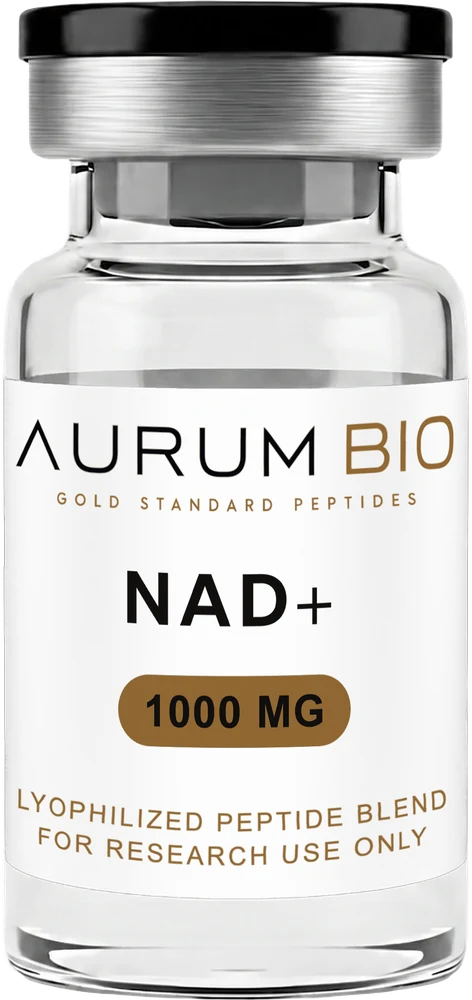
NAD+ and DNA repair
The most direct link. The mechanism is a feedback loop: DNA damage activates PARP; PARP consumes NAD+ to modify repair proteins; with age, accumulated damage means more PARP activation, more NAD+ consumed, less substrate for PARP and sirtuins, declining DNA repair, and more damage still. NMN and NR aim to break this cycle by restoring NAD+.
The sirtuin connection. SIRT1 regulates DNA repair gene expression; SIRT6 facilitates double-strand break repair. Restoring NAD+ is proposed to restore sirtuin activity.
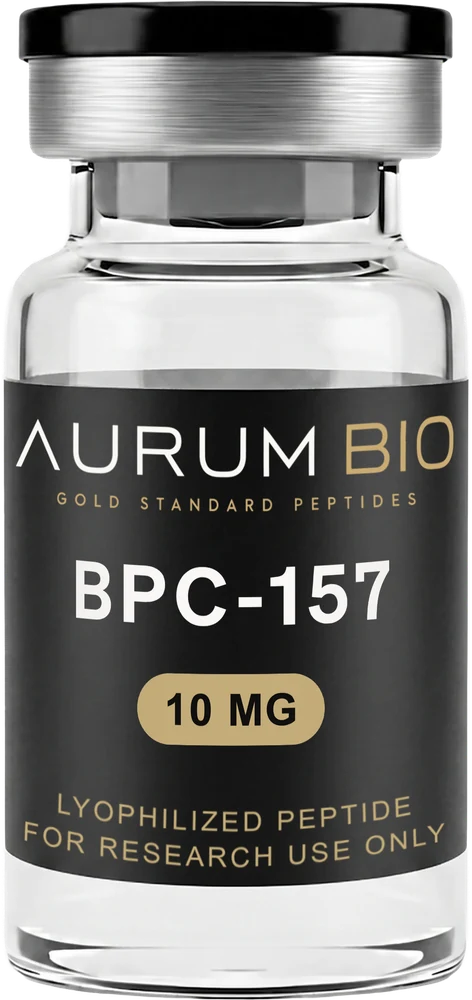
BPC-157 and tissue repair
Proposed mechanisms here are broader than for most peptides: (1) growth hormone receptor upregulation; (2) the nitric oxide pathway (blood flow, angiogenesis, cell survival); (3) F-actin cytoskeletal effects (cell migration, tissue integrity); and (4) extracellular matrix remodeling via MMP activity. The strongest evidence is in tendon and ligament repair in animal models; human translation is still being studied.
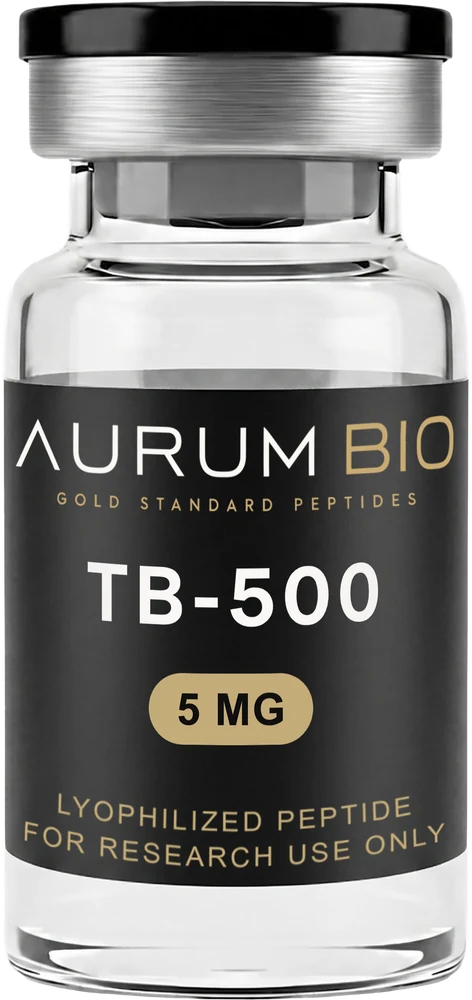
TB-500 and cell migration
Proposed mechanisms: (1) actin filament regulation — it sequesters G-actin, creating a deployable reserve for migration; (2) promotion of cell migration, such as epithelial cells closing wounds; (3) angiogenesis; and (4) anti-inflammatory effects.
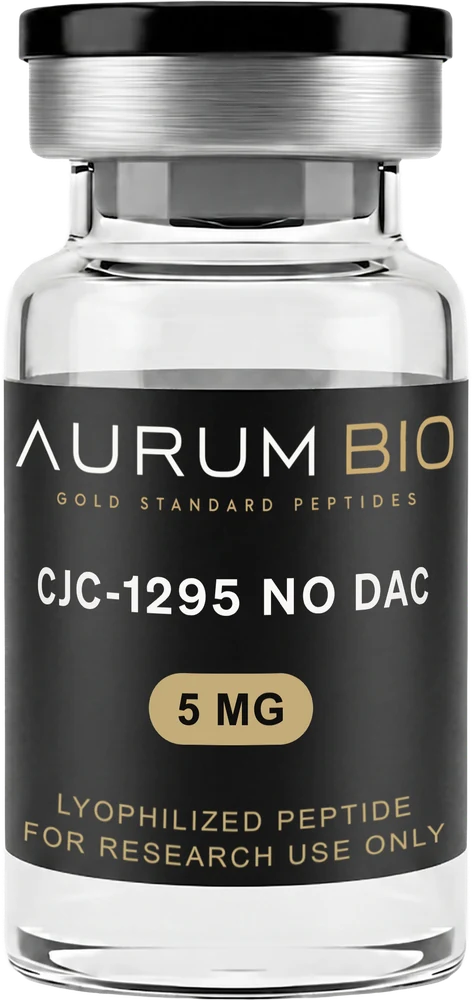
CJC-1295 and the growth hormone axis
Growth hormone affects repair by stimulating IGF-1, promoting protein synthesis, supporting immune function, and mobilizing fat for energy. CJC-1295 elevates GH by stimulating the pituitary. Whether this produces meaningful repair benefits in healthy humans isn't well established — studies show GH elevation, not necessarily repair outcomes.
The repair argument: if you're older and GH/IGF-1 has declined, restoring it might restore repair capacity. The counterargument: the age-related decline may be adaptive, and elevating it may carry unintended consequences.
Thymosin Alpha-1 and immune function
Thymosin Alpha-1 (Tα1) is a thymus peptide that modulates immune function — enhancing T-cell function, supporting dendritic cell maturation, and showing anti-inflammatory properties. It has been studied in cancer, hepatitis B and C, and immune deficiency. The repair connection is indirect: a functioning immune system is essential for tissue repair, and Tα1's effects are proposed to support this, particularly in older adults with declined thymic function.
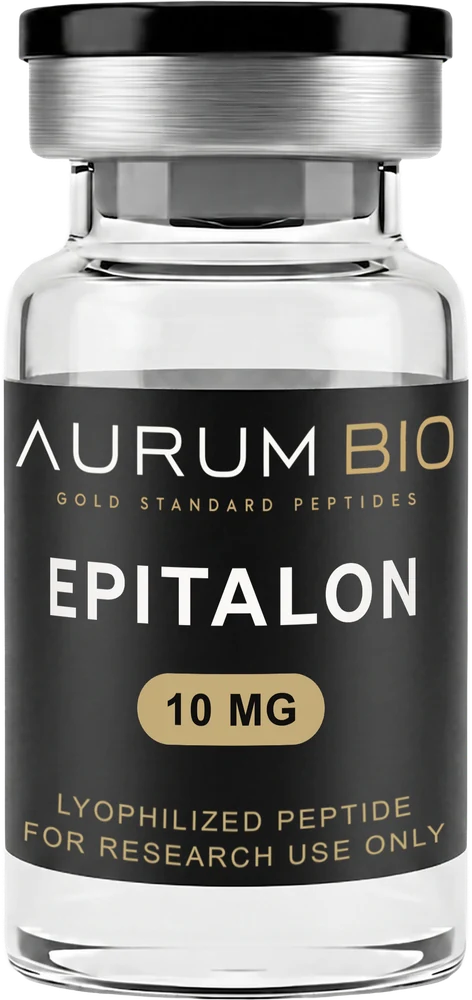
Epithalon and gene regulation
Epithalon's proposed telomere mechanism is more speculative. Separately, Khavinson's group proposed it acts as a "gene regulator" — increasing expression of some longevity-associated genes, decreasing some aging-associated genes, and modulating stress resistance. This sits upstream of direct repair, at the gene-expression level. The evidence comes primarily from Khavinson's group and has not been broadly replicated by independent Western labs.
How these mechanisms interact
The repair pathways form a network: NAD+ restoration supports better DNA repair and healthier cells; GH elevation drives more IGF-1 and better protein synthesis; anti-inflammatory effects create a better healing environment; angiogenesis improves blood supply; and cytoskeletal effects aid cell migration.
A stack combining BPC-157 (repair plus the NO pathway), TB-500 (anti-inflammatory plus angiogenesis), and NAD+ precursors (DNA repair) would theoretically address multiple pathways at once — the mechanistic basis for the combination stacks discussed in other articles.
The evidence hierarchy
Not all repair mechanisms are equally established.
- Strong evidence (well replicated in animals, some human data): NAD+ restoration and DNA repair (human NMN trials); BPC-157 and tendon/ligament repair (consistent animal data, some human GI data); GLP-1 and metabolic repair (extensive human RCTs).
- Moderate evidence: TB-500 and wound healing (corneal data is human, skin and tendon is animal); CJC-1295 and GH elevation (human data on GH, not on repair outcomes); Thymosin Alpha-1 and immune function (some human studies in specific conditions).
- Preliminary or controversial: Epithalon and telomere elongation (cell and animal data; human data weak); AOD-9604 and fat metabolism (failed Phase II trials).
What "repair" actually means in practice
- Acute repair — healing a specific wound or injury. Peptides like BPC-157 and TB-500 are most relevant here; the time course is days to weeks.
- Chronic repair — addressing accumulated cellular damage that drives age-related decline. NAD+ precursors and senolytics are more relevant; the time course is months to years.
- Preventive repair — maintaining repair capacity before significant decline. Exercise, sleep, metabolic health, and possibly NAD+ supplementation apply here.
Most peptide research focuses on acute or chronic repair. The preventive category is the least studied — and potentially the most impactful.
The bottom line
Cellular repair is a collection of overlapping systems: DNA repair, protein quality control, mitochondrial function, and tissue regeneration. Peptides are proposed to interact with several of them. The most evidence-based for repair are NAD+ precursors for DNA repair, BPC-157 for tissue repair (strongest in tendon and ligament in animals), and TB-500 for wound healing (some human corneal data). More speculative are Epithalon and the growth hormone peptides.
The honest summary: we understand the repair systems well enough to know what peptides might theoretically help. The evidence for which actually help in humans — and at what doses — is still being accumulated. For everyone except researchers, fixing the fundamentals (exercise, sleep, metabolic health) preserves repair capacity more reliably than any peptide currently available.
References
- 01Eming SA, et al. Wound repair and regeneration: mechanisms, signaling, and translation. Sci Transl Med, 2014.
- 02Gurtner GC, et al. Wound repair and regeneration. Nature, 2008.
- 03Pickart L, et al. Regenerative and Protective Actions of the GHK-Cu Peptide in the Light of the New Gene Data. Int J Mol Sci, 2018.
- 04Anderson JM, et al. Foreign body reaction to biomaterials. Semin Immunol, 2008.
Every citation links out to the paper on PubMed. Identifiers are omitted deliberately rather than reproduced from memory, so where we do not hold a verified PMID or DOI the link is a PubMed search for that exact title — it resolves to the paper without anything being invented.
FOR RESEARCH USE ONLY · NOT INTENDED FOR HUMAN CONSUMPTION. This article describes compounds and the research literature in which they appear. Nothing here is a recommendation, protocol, or statement of effect.