Peptides and exercise recovery: what science shows
Exercise recovery is one of the most practical reasons people become interested in peptides. But what does the science actually show? Here is what the research genuinely supports, and where the gaps remain.
What happens during exercise recovery?
Training — especially resistance and high-intensity work — creates microscopic damage to muscle fibers, tendons, and connective tissue. That damage is the stimulus for adaptation. It triggers a coordinated set of processes:
- Inflammation — immune cells clear debris and release signaling molecules.
- Protein synthesis — muscle protein synthesis (MPS) is stimulated by mechanical tension, hormones including GH and IGF-1, and amino acids.
- Glycogen replenishment — takes 24–48 hours depending on depletion.
- Connective tissue repair — slower, given lower blood supply.
- Neural recovery — motor pattern consolidation and CNS fatigue recovery.
MPS peaks roughly 24–48 hours after training. Connective tissue repair takes longer.
Which peptides are researchers looking at for recovery?
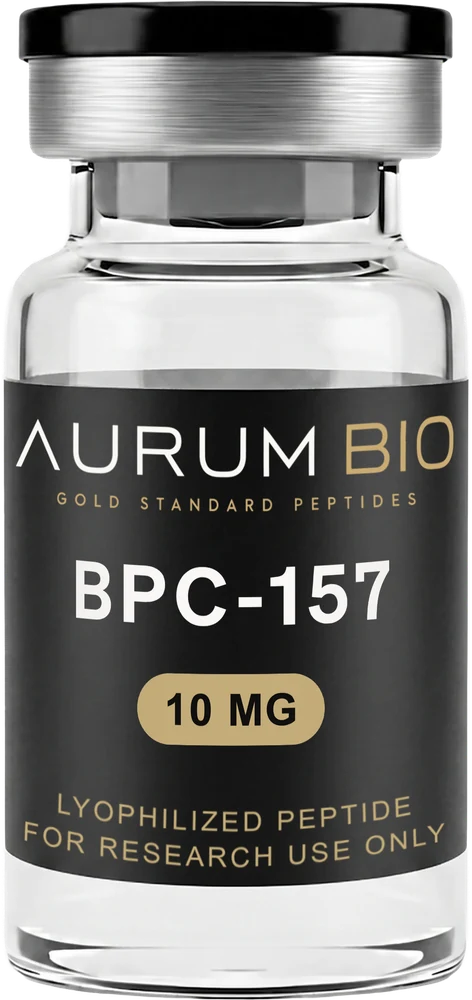
BPC-157
The most evidence sits in tendon and ligament repair. Animal studies consistently show improved Achilles tendon healing, faster wound closure, and greater tensile strength versus controls. Proposed mechanisms include GH receptor upregulation, nitric oxide pathway effects, and anti-inflammatory activity. For muscle recovery specifically, the data is more limited.
The gap: almost no human clinical data on BPC-157 and exercise recovery.
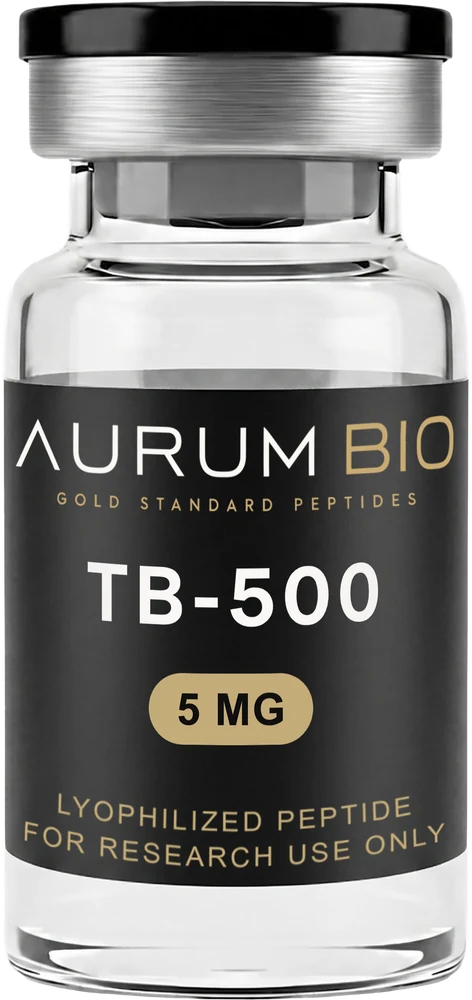
TB-500 / Thymosin Beta-4
The relevant mechanisms are anti-inflammatory effects and actin regulation. The most robust data is in corneal wound healing — not directly applicable to muscle recovery.
The gap: no human data on TB-500 for exercise recovery.
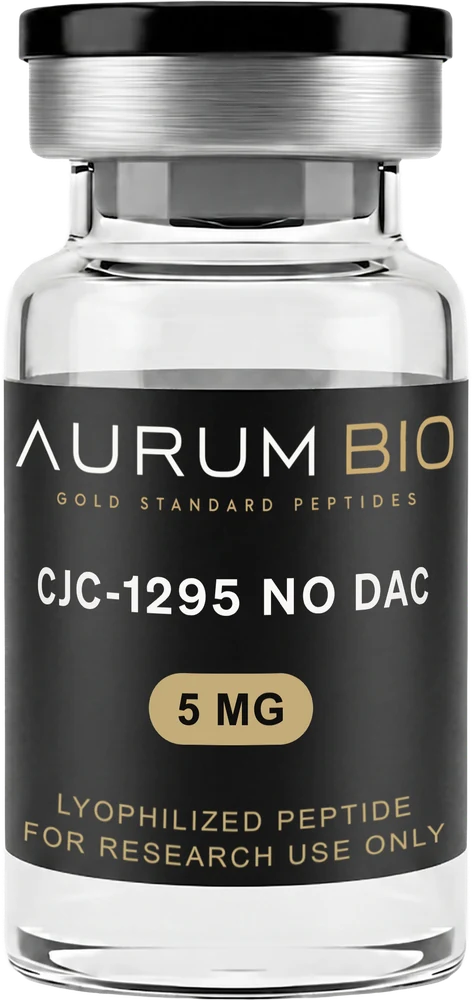
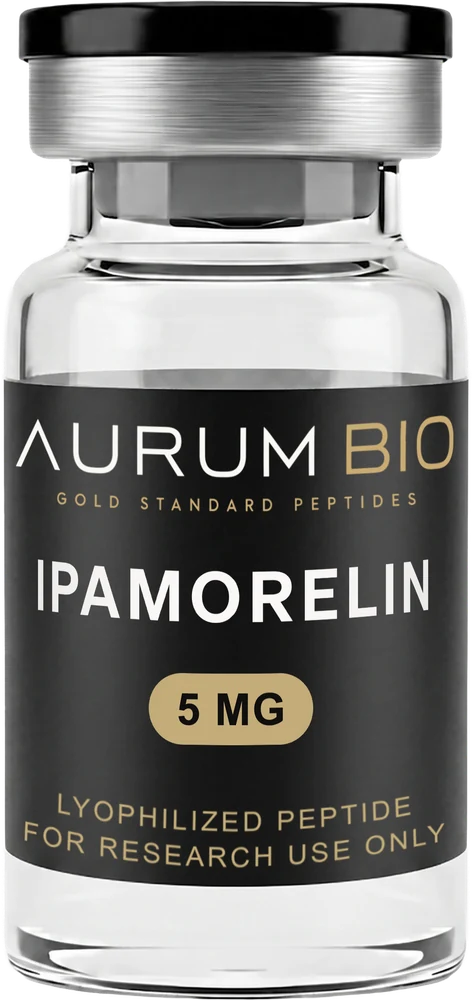
CJC-1295 / Ipamorelin and growth hormone peptides
The most direct from a recovery perspective. GH does stimulate muscle protein synthesis. However, GH elevation from these peptides in human studies is typically modest, and whether it translates to faster recovery in healthy humans isn't demonstrated. It's likely more relevant for GH-deficient individuals.
The gap: no clinical trials showing improved exercise recovery in healthy humans.
BPC-157 + TB-500 stack
Widely discussed for recovery — BPC-157 for tissue repair, TB-500 for inflammation and remodeling. No peer-reviewed research examines this combination for exercise recovery.
Collagen-derived peptides
Collagen peptides have been studied more than most peptide categories for exercise recovery — specifically joint and connective tissue. Multiple RCTs have examined collagen peptide supplementation (oral supplements, not injectable peptides).
What the research suggests:
- Joint pain in athletes — collagen peptide supplementation may reduce joint pain, with athlete joint-pain trials typically using around 5 g/day. (The higher ~15 g/day dose appears in body-composition and strength studies.)
- Tendon structure — some evidence for improved Achilles tendon structure in response to loading.
- Proposed mechanism — supplemental collagen provides amino acid building blocks for connective tissue synthesis.
Important distinction: collagen peptides (oral) differ from injectable peptides like BPC-157. Collagen provides amino-acid substrates; injectables are signaling molecules. Don't conflate them.
The exercise recovery research gap
The fundamental problem: most studies look at recovery from acute injury — surgical wounds, crush injuries, transected tendons — not exercise-induced damage. Exercise damage is microscopic and diffuse, distributed across tissue types, not accompanied by hemorrhage, and self-limiting.
The extrapolation from "accelerates surgical wound healing in rats" to "helps me recover from leg day" is a significant leap the research doesn't bridge.
What would good recovery research look like?
Randomized, placebo-controlled, double-blind studies in trained individuals — not just rats or untrained humans — with meaningful endpoints: MPS rates, force recovery, soreness scales, return to baseline performance. Adequate duration (24–72 hours), informed dosing, and safety monitoring (especially IGF-1, glucose, and cardiovascular markers for GH peptides).
None of the popular peptide recovery combinations have been tested to this standard.
Practical recovery that is well-supported
- Sleep — 7–9 hours; GH is primarily secreted during deep sleep.
- Protein intake — 1.6–2.2 g/kg/day for trained individuals; total daily intake matters more than timing.
- Carbohydrates — glycogen replenishment can take 48+ hours after significant depletion.
- Hydration — even mild dehydration impairs recovery.
- Progressive overload — the training stimulus itself drives adaptation.
- Rest periods — overtraining is a common cause of stalled progress.
Where peptides might realistically help
Based on the evidence, not speculation:
- Specific injury recovery — tendon and ligament damage, where BPC-157 has the most animal evidence.
- Older adults — age-related GH decline may make GH-elevating peptides more relevant (speculative but plausible).
- Post-surgery — where tissue healing is the bottleneck; some peptides are used in veterinary medicine.
- Inadequate recovery despite optimal fundamentals.
For a healthy 25-year-old with poor sleep and inadequate protein, the answer isn't peptides — it's sleep and protein.
The bottom line
The science is genuinely interesting: plausible mechanisms, sometimes compelling animal data. But mechanisms and animal data aren't demonstrated human benefit. For researchers, it's a wide-open field. For anyone else, the most evidence-based recovery remains sleep, nutrition, hydration, training-load management, and time. Peptides — if they ever demonstrate meaningful human benefit — would be an adjunct, not a replacement.
References
- 01Khatri M, et al. The effects of collagen peptide supplementation on body composition, collagen synthesis, and recovery from joint injury and exercise: a systematic review. Amino Acids, 2021.
- 02Lu YZ, et al. CGRP sensory neurons promote tissue healing via neutrophils and macrophages. Nature, 2024.
- 03Knuth CM, et al. Burn-induced hypermetabolism and skeletal muscle dysfunction. Am J Physiol Cell Physiol, 2021.
- 04Areta JL, et al. Timing and distribution of protein ingestion during prolonged recovery from resistance exercise alters myofibrillar protein synthesis. J Physiol, 2013.
Every citation links out to the paper on PubMed. Identifiers are omitted deliberately rather than reproduced from memory, so where we do not hold a verified PMID or DOI the link is a PubMed search for that exact title — it resolves to the paper without anything being invented.
FOR RESEARCH USE ONLY · NOT INTENDED FOR HUMAN CONSUMPTION. This article describes compounds and the research literature in which they appear. Nothing here is a recommendation, protocol, or statement of effect.